A view guarantee is the minimum number of organic views a creator commits to on a sponsored video within a fixed window, usually 45 days from publish. A makegood clause is what happens when that floor gets missed, usually an additional integration at no extra cost. Together these two clauses are how sponsorship risk actually gets shared on YouTube.
The first thing most brands ask after pricing is what happens if the video underperforms. It is a fair question. A sponsor is paying up front. The video goes live and then views are views. Either the content lands or it doesn't.
The answer is two clauses that most sponsorship contracts include: a view guarantee and a makegood. Understanding how they work, and where brands and creators typically negotiate, changes how you read every deal.
Worth noting upfront: there is no universal industry rate card. Legal and industry guides treat view guarantees and makegoods as negotiation clauses, not defaults. Most flat-rate deals don't include a VG at all. The norms below are what we see work across real campaigns.
This post is one piece of the pillar guide to YouTube creator sponsorships. VGs interact with pricing model and measurement. Read those if the numbers here feel abstract.
What a view guarantee actually is
A view guarantee is a floor. The creator agrees that the sponsored video will reach at least a certain number of organic views within a defined window, usually 45 days from publish.
The industry standard is 60 percent of the creator's average views over their recent videos. If a creator averages 500,000 views per video, the guarantee is 300,000 within 45 days.
Why 60 and not 100 percent? Two reasons. First, sponsored videos are structurally at risk of lower view counts than organic ones. Algorithms notice. Audiences sometimes notice. The creator can't promise what they can't control. Second, a 60 percent floor leaves enough room that creators do not game the rest of their schedule to protect the guarantee.
Worked example
Take a creator who averages 500,000 views per video over the last ten uploads. Their sponsored video at a 60 percent VG is guaranteed to clear 300,000 organic views within 45 days of publishing.
Outcomes:
- The video hits 620,000 views by day 45. Over-delivery. The brand got more than the guarantee; the creator gets full contracted payment and a reference in the creator's pitch for the next deal.
- The video lands at 280,000 views by day 45. Shortfall of 20,000. Makegood clause fires: creator produces one additional integration at no extra cost, typically within 60 days of the shortfall confirmation.
- The video lands at 210,000 views by day 45. Significant shortfall (30 percent under). Same makegood, but on a deeper shortfall the brand can usually request an extended promotional push (community post, pinned comment, Shorts cross-promo) in addition to the makegood integration.
Numbers above assume a flat-rate deal with a single-integration makegood, which is the most common pattern we see in Raycon and similar monthly-cadence programs.
The measurement window
30 days used to be the standard. 45 days is now the more common number and the more honest one.
Why? YouTube long-tail views are real. A video that lands at 180k views in the first week can easily climb past 400k by day 45, especially on evergreen content. Cutting the window at 30 days punishes creators whose content compounds. It also pushes them toward burst-promotion tactics that do not serve the brand.
Some brands push for 30. Some creators push for 60. 45 is a reasonable middle and almost always accepted.
What counts as a view
Only organic views. Views from paid YouTube Ads, view incentives, or external traffic campaigns do not count toward the guarantee. This matters because some creators propose to hit the number by promoting the video through ads. That is not a delivery. That is purchasing reach on top of a deliverable.
Clarify this in the contract. "Organic YouTube views as reported by YouTube Studio, within 45 days of publish, excluding promoted traffic."
Makegood clauses
If the video underdelivers against the guarantee, the makegood is what happens next.
Three standard forms:
- Additional integration at no cost. The creator produces one more piece of content with the brand included. This is the most common and most valued by brands because it doubles the campaign output.
- Extended promotion. The creator pushes the underperforming video through their own community, Shorts, social posts, or community tab until the number is hit.
- Partial refund. Pro-rated against the view shortfall. Less common. Creators strongly prefer non-cash remedies.
The best makegood language specifies the remedy type up front. Ambiguous clauses turn into disputes later.
Where brands and creators actually negotiate
Brand side asks:
- Higher guarantee percentage (65 or 70 instead of 60)
- Shorter window (30 days)
- Multiple makegood options stackable
Creator side asks:
- Longer window (45 or even 60 days)
- Narrower definition of what counts as a "view"
- Single makegood remedy chosen by the creator
A fair agreement usually lands at 60 percent over 45 days with an additional-integration makegood. Most of the Raycon creators we work with operate on exactly this structure.
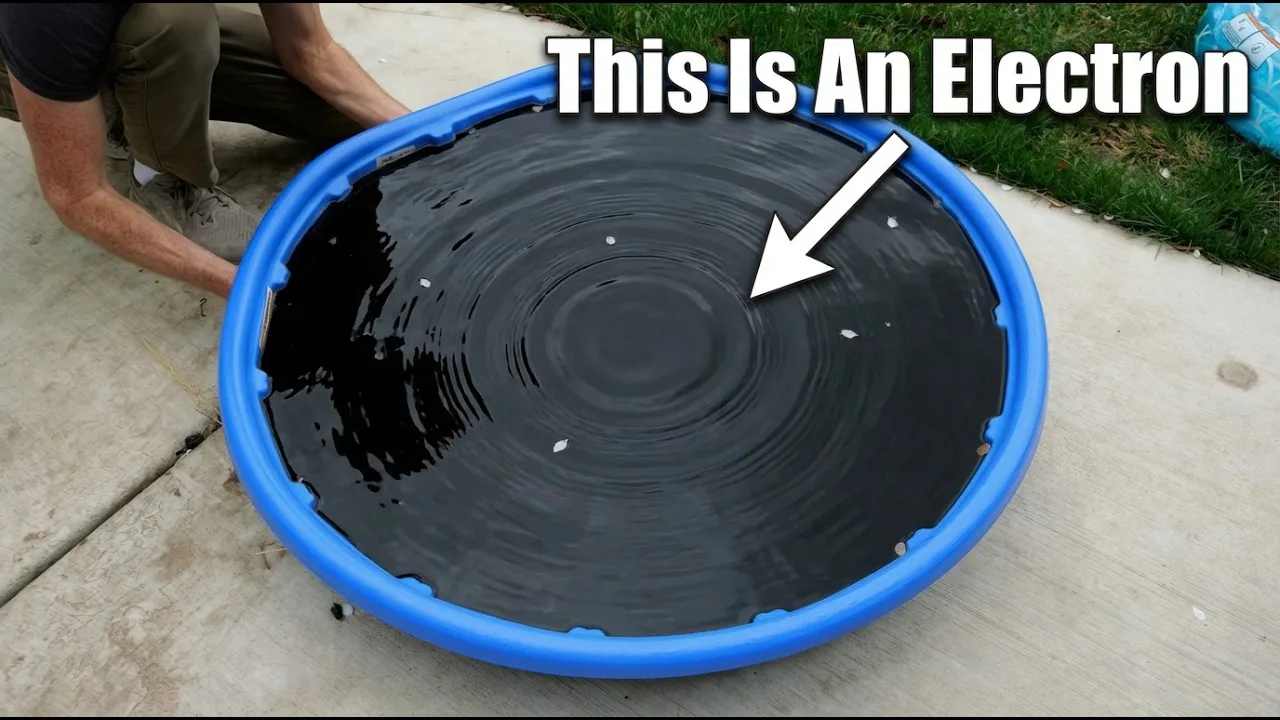 Raycon × The Action Lab · integration at 0:58
What "delivered" really means
Hitting the view guarantee is the minimum. It is not the measure of a campaign's success.
A video that hits 100 percent of guarantee but converts nothing is a failure the contract won't catch. A video that hits 80 percent but drives a 3x spike in signups is a win that the makegood will mislabel.
Smart brands layer tracked links or promo codes on top of the VG. The VG protects against a non-performing creator. The tracked conversion measures the actual return.
The short version
| Term | What it protects | Industry standard |
|---|---|---|
| View guarantee | Brand, against video underperformance | 60% of creator's average views |
| Measurement window | Both parties, sets the clock | 45 days from publish |
| Makegood clause | Brand, remedy when VG fails | Additional integration at no cost |
| View definition | Brand, against paid-traffic gaming | Organic views per YouTube Studio |
Quick answers
What happens if a creator refuses a view guarantee? It depends on why. Bigger creators (mega and often macro) refuse routinely because they have the leverage to close flat deals with no guarantees attached. That is not a red flag, that is negotiation power. Smaller creators who need the deal are usually flexible. The signal matters more than the refusal itself: if a mid-tier creator without a waitlist of sponsors refuses a 60 percent floor on their own average, that's worth pushing on. If MrBeast refuses, that's just Tuesday.
Can I get a 100 percent view guarantee? Almost never. No creator controls the YouTube algorithm. A 100 percent guarantee pushes the creator into risky promotion territory or simply makes the deal infeasible.
What's the typical makegood timeline? 45 days after the measurement window closes. Most contracts give the creator until day 90 from the original publish to complete the makegood deliverable.
Should I ask for a refund instead of a makegood video? If you have no use for the additional content, sure. But most creators resist refunds because the original production cost is already spent. An extra video they can produce in a week is easier to give than cash they've already allocated.
Putting together a campaign and want these terms pre-negotiated before you ever see the draft contract? Let us handle the paperwork.