A YouTube sponsorship format is the structural shape a brand-creator deal takes inside a video: a short ad read inside someone else's content, a whole video built around the product, or a run of videos over months. The format is not a style choice. It is a strategy choice, and it drives everything downstream: rate, length, measurement, and which creators will say yes.
Most brands start with the same question. What format should we pick? The answer depends on what you want the campaign to do. A product launch, a rate test, a long run of brand presence. Each one points to a different format. Here is how the three we run most often work, and when each is the right call.
Rates vary widely by creator niche. Influencer Marketing Hub's 2026 rate breakdown puts finance and business CPMs at $50 to $200, tech at $20 to $40, gaming at $3 to $12, and beauty at $8 to $20. So the same format can mean a $1,500 deal or a $25,000 deal depending only on the audience.
This is part of the pillar guide to YouTube creator sponsorships. Format is one of five decisions you make on any campaign. The others: which creator, what contract, how to measure, and how to pay.
60 to 90 second integrations
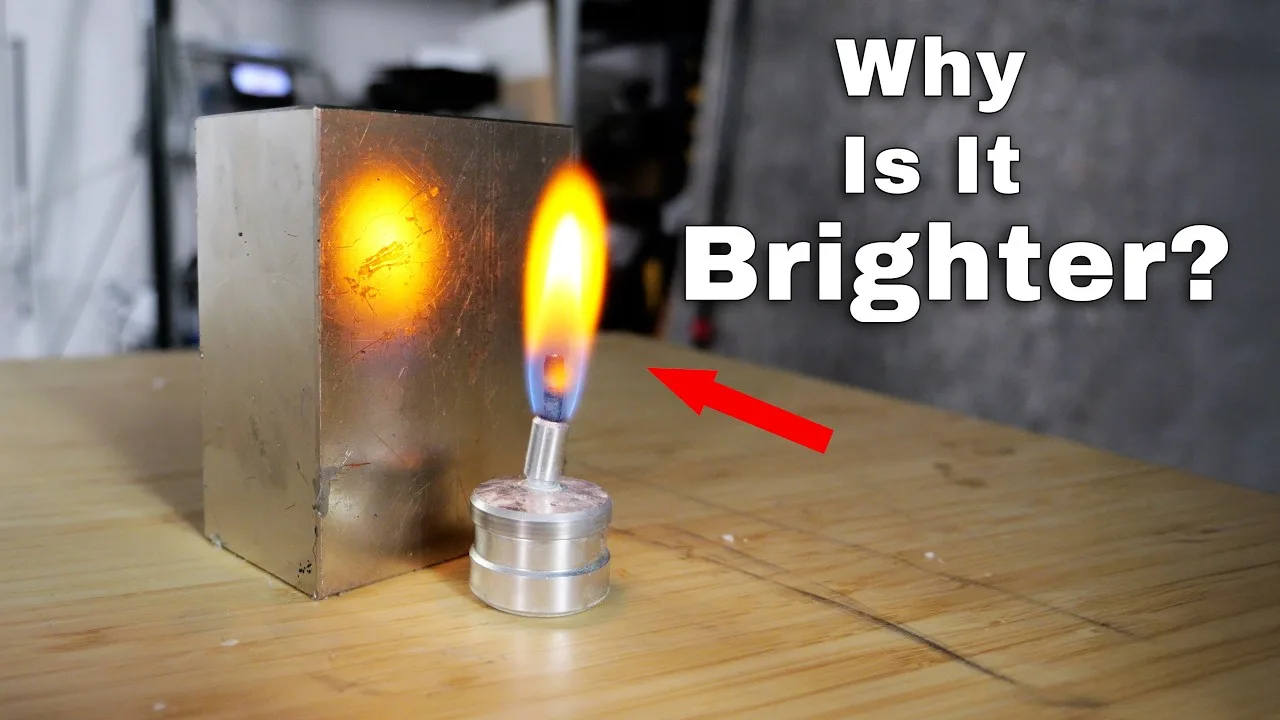 Raycon × The Action Lab · integration at 4:36
This is the most common format and the one most viewers recognise. The creator weaves a short brand segment into an existing video, in the first three minutes. They keep their voice. The brand gets a plug that lives inside the content, not pasted on top of it.
Integrations work because the viewer is already engaged with the video when the brand shows up. Drop-off is low. Conversion is measurable through promo codes or tracked links.
When to pick it: ongoing brand presence, product categories a creator can demo in a minute, campaigns you plan to repeat across many creators. Most of the Plarium work we run for Raid: Shadow Legends is integration-based, placed two to three minutes in, across gaming and non-gaming channels.
What to watch for: integration spots are dense. The creator has a minute to build interest, explain the product, and land a call to action. Thin briefs produce thin spots. Give the creator enough to work with. Do not write the script for them. Their voice is what sells.
Dedicated videos
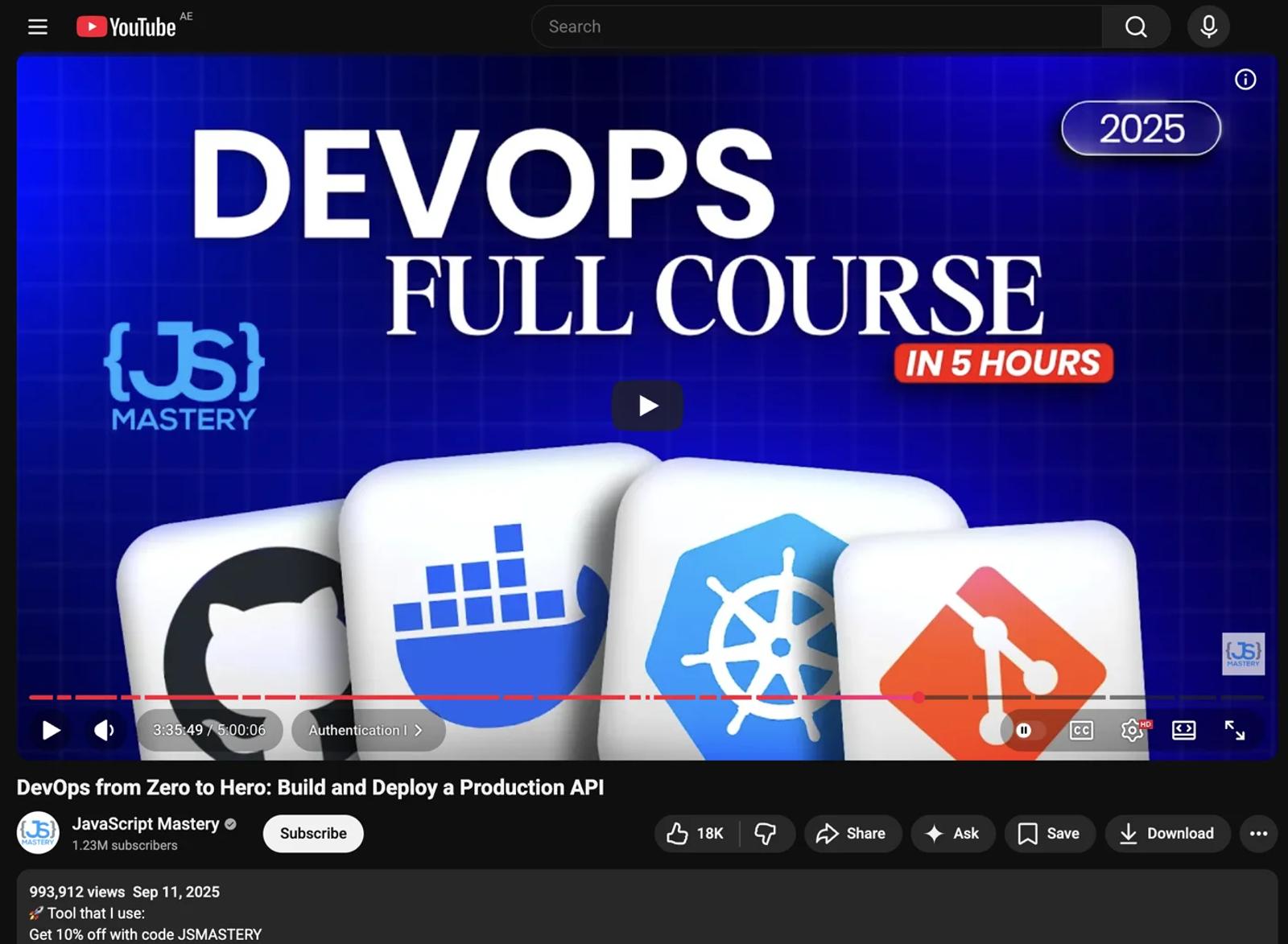
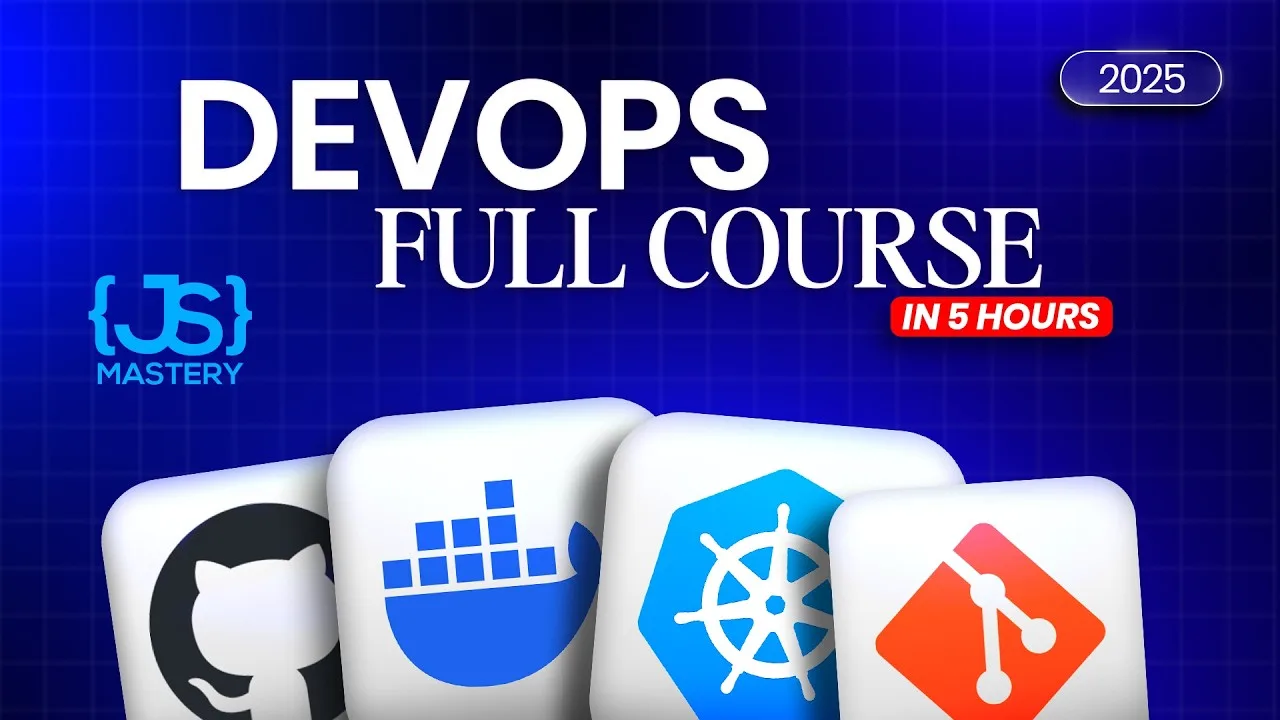 Warp × JavaScript Mastery · dedicated long-form
A dedicated video is the whole video. The creator builds an entire piece of content around the brand, the product, or a specific use case.
This is the format brands pick when the product needs a story, not a mention. Developer tools, hardware that demos well, anything where the reveal is the pitch. The creator invests real production time. Views are lower than the creator's average, but conversion per view is much higher because the audience opted in to learn about the product.
When to pick it: a launch, a repositioning, or a product that only makes sense with a real demo. The Warp campaign we ran with JavaScript Mastery used the dedicated format inside long-form tutorials, the kind a developer sits down to finish. Viewers were already in learning mode when the brand appeared.
What to watch for: dedicated videos take longer to produce, three to four weeks from brief to publish. Creators need a clear brief and room to script freely. Rates run two to five times an integration, which is why the format only makes sense when the goal justifies the spend.
Ambassador programs
An ambassador program is a run of content, not a single video. A brand signs a creator for three to twelve months. Every month that creator produces a piece of content with the brand built in, plus social or community deliverables alongside.
This format shifts the relationship. The creator becomes a consistent voice for the brand. Viewers see them talking about the product across different video formats and watch the association build over time.
When to pick it: long sales cycles, categories that benefit from repeat messaging, brands trying to build authority alongside awareness. Subscription products, fitness, finance, anything where a one-shot video underdelivers on the point.
What to watch for: ambassador programs need a creator the brand would work with for a year. The filter is higher than on one-off deals. Set clear deliverable counts up front. Monthly cadence with a defined minimum per month is the structure that works.
Common mistakes per format
Integrations. Brands over-script the read. The creator's voice is what converts; a paragraph of approved copy read word-for-word reads like an ad and kills the intro-to-close retention advantage integrations have over pre-rolls. Give the creator the product truth and one hard rule (usually a required line about a promo code or a specific feature), then let them write the rest. We see this mistake more on dev tools and fintech campaigns than on gaming.
Dedicated videos. The brief asks for the wrong video. "Do a dedicated video about our product" sounds like a commission. What actually works is a dedicated video about a problem the product solves, with the product as the answer half the video in. JavaScript Mastery's Warp videos live because they are full tutorials where Warp is the answer to how fast shipping looks. A creator flipping a camera to just read their way through a feature sheet is how dedicated videos tank and don't come back.
Ambassador programs. Brands try to lock in exclusivity in month one. The creator agrees, earns their first check, and finds six better-paying deals they can no longer take. They resent it by month three and leave when the term is up. A good ambassador deal has category exclusivity only for direct competitors, a clear monthly deliverable count, and a renewal door. Soft-lock beats hard-lock every time.
The short version
| Format | Best for | Time to launch | Measurement |
|---|---|---|---|
| 60 to 90s integration | Ongoing presence, scalable reach | 2 to 3 weeks | Promo codes, tracked links, day 7 return on ad spend |
| Dedicated video | Launches, demos, story-led products | 3 to 4 weeks | Watch time, sign-ups, conversion per view |
| Ambassador program | Long cycles, authority building, subscription categories | 4 weeks to kick off | Monthly deliverable output, cumulative reach |
How to pick
Start from the campaign goal, not the format. If the product needs to be shown to be understood, that is a dedicated video. If the goal is repeat exposure at a cost you can scale, that is integrations. If you want a creator the audience associates with your brand by the third video, that is an ambassador run.
The best campaigns we run combine two. A dedicated launch with one creator, followed by integration spots with others to broaden reach. Or an ambassador deal paired with quarterly dedicated videos during product milestones.
One more note. Every format works better when the creator matches the audience tightly. Format choice is the second decision. Picking the right creator is the first.
Related reads: YouTube creator tiers explains who fits which format; view guarantees and makegood clauses covers how a format gets priced and measured inside a contract.
Quick answers
How much does a YouTube integration cost? Rates scale with a creator's average views. A mid-tier creator with 100k to 500k views on a typical video lands between four and ten thousand dollars for a 60 to 90 second integration. Bigger creators run higher. Smaller creators run lower. Performance-based pricing (CPM) is also common.
What is a view guarantee? A view guarantee is the floor number of views the creator commits to in a fixed window, usually 60 percent of their average views over 45 days. If the video underdelivers, most agreements include a makegood clause: the creator reposts, extends promotion, or provides an additional integration at no extra cost.
How long does a YouTube campaign take end to end? Integrations run two to three weeks from brief to live video. Dedicated videos run three to four. Ambassador programs take four weeks to kick off and then run monthly on a defined cadence.
Which format has the best ROI? It depends on the goal. Integrations are the most scalable and the easiest to measure week over week. Dedicated videos convert best per view when the product needs to be demonstrated. Ambassador programs compound over time, so the first three videos understate the program's value.
Ready to plan a campaign? Tell us what you are trying to hit and we will put a roster together.